Translating the Poor Image: A Queneau Experiment
This written response reinterprets Hito Steyerl’s essay In Defence of the Poor Image (2009) through the structural method of Raymond Queneau’s Exercises in Style (1947).
By rewriting Steyerl’s core arguments across five distinct styles, this experiment explores how form and tone reconfigure meaning.
1. Neutral Academic Version
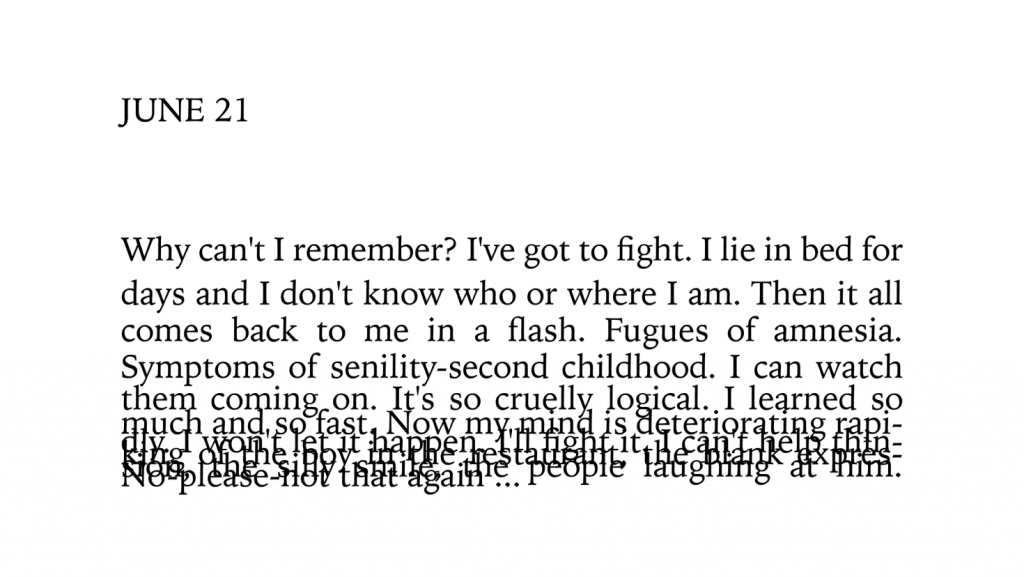
The poor image is a copy in motion, deteriorating as it circulates. It is low-resolution, compressed, and unstable. Yet, its weakness is precisely what allows it to travel — shared, remixed, downloaded, reedited. It transforms quality into accessibility, shifting the value of images from property to participation.
The poor image resists the fetish of clarity that dominates capitalist aesthetics. It is no longer an object to be owned, but an experience to be passed on. Each blur marks the trace of collective desire, and each pixel carries the memory of survival.
2. Manifesto Style
We defend the blurred.
We celebrate the pixelated, the pirated, the poorly compressed.
Let the museums guard their rich images, frozen in silence.
The poor image runs free — copied, distorted, reuploaded, alive.
Every missing frame is a shout: Circulation is liberation.
We no longer believe in clarity. We believe in connection.
The poor image is not the enemy of art — it is art returned to the people.
Long live the noise, the glitch, the ghost of visibility.
3. Technical Manual
Step 1: Compress the original file until it sighs.
Step 2: Duplicate endlessly — upload, download, share.
Step 3: Observe degradation: colors fade, edges bleed.
Step 4: Circulate through unknown servers and forgotten hard drives.
Result: The image loses fidelity but gains reach.
Its bitrate declines, its social value increases.
In this system, resolution equals class, and error equals democracy.
End of procedure. Restart the loop.
4. Economic Report
The global market of images operates on a hierarchy of resolution. At the top stands the rich image — HD, exclusive, protected by copyright. Below it, the poor image circulates wildly, stripped of ownership but rich in visibility.
It transforms exchange value into use value, exhibition value into cult value.
It is the informal economy of visual culture — black-market JPEGs, pirated films, low-res icons of the masses.
Its GDP is low, but its emotional economy is infinite.
5. Invented Words Style
The poorage is a copymotion, always remixified and datamorphed. It travels through the net-o-sphere, jumping from one screenlet to another, leaving behind traces of pixeldust and glitchcrumbs. Every downloadaction weakens its visuform, but strengthens its sociocircula — the network heartbeat of visibility. Once it was filmosolid, living in archivium vaultas, locked by copylords and brandpriests. Now it is freeflowic, a resisticon of the low-res. Its blurlines hum like memory static; its JPEGment breathes collective desire.
The poorage is not poor; it is multi-copy rich. Every repetition births a new word, every compression invents a new tongue. In the worldscreen, to speak badly is to be heard widely.
References
Steyerl, H. (2012) In Defence of the Poor Image. In: The Wretched of the Screen. Berlin: Sternberg Press, pp. 31–45.
Queneau, R. (1998 [1947]) Exercises in Style. London: John Calder.
Leave a Reply